
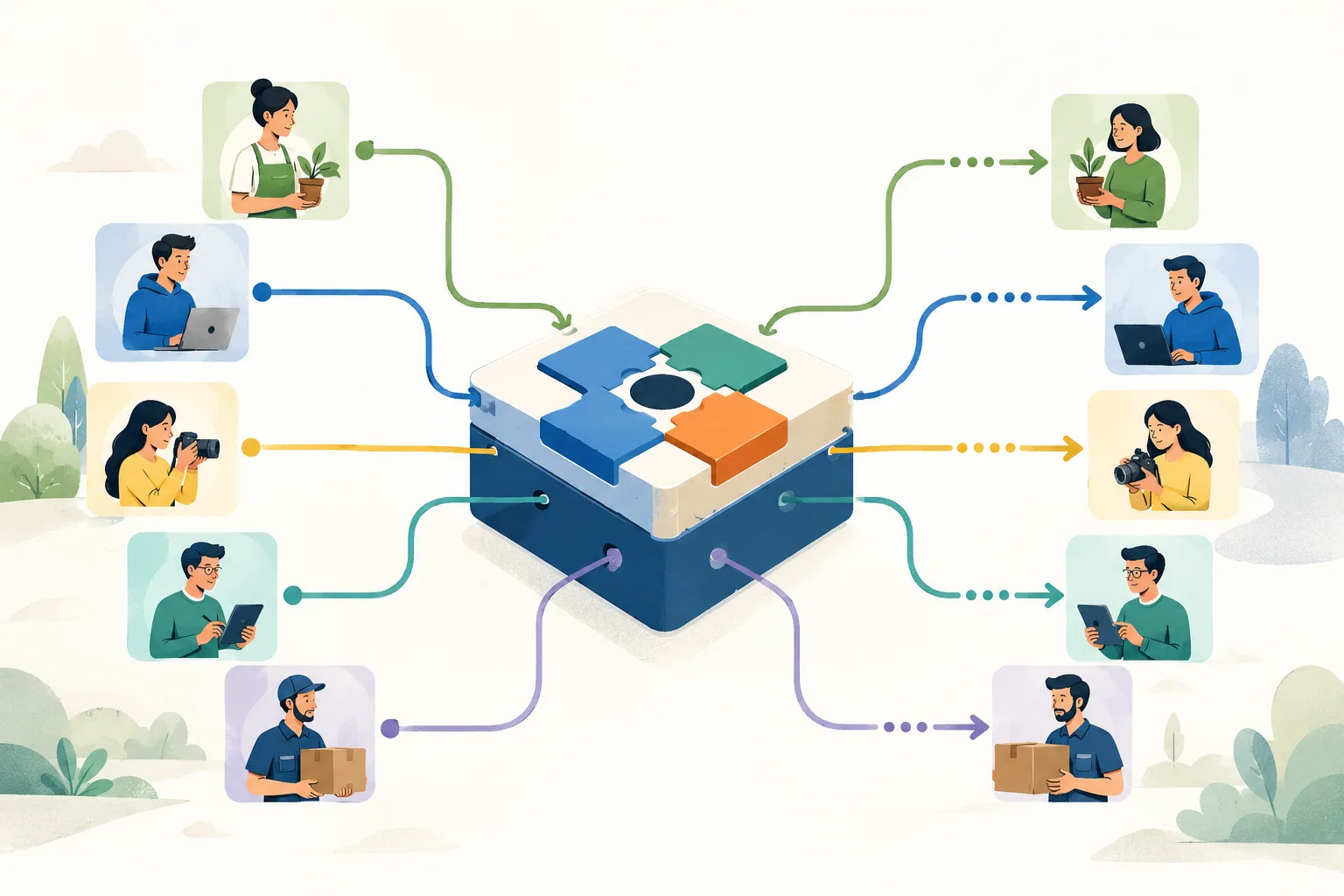
Journalist request platforms produce a small number of very good links for a large amount of unrewarded effort. Whether that trade works depends almost entirely on facts about your situation rather than on how well you write responses.
The pitch for HARO-style platforms is straightforward. Reporters post what they need, you answer with expert commentary, and occasionally you get quoted in a real publication with a link back. The links are genuinely good — national press, trade publications, established sites that no exchange or resource page would ever offer. That part is not oversold. What is oversold is the hit rate, and the fact that the tactic’s viability turns on scheduling rather than skill.
What these platforms are
The history matters here, because a lot of published advice describes a platform that no longer works the way it is described. HARO — Help a Reporter Out — ran for over a decade as a free email digest of journalist queries. Cision acquired it, rebranded it as Connectively, added a paywall, and shut it down on 9 December 2024. Then Featured.com bought the HARO brand in April 2025 and relaunched it as a free newsletter, so the name is back but it is now one option among several rather than the default. The current landscape:
- Source of Sources — free, launched by HARO’s original founder after Connectively closed. Email digests, direct replies to journalists, and active banning of spam pitches
- Qwoted — verified journalists and a smaller user base, which means less competition per query. Skews heavily toward high-authority publications
- Featured.com — paid, built around curated roundup partnerships with named publications
- HARO — free again under Featured ownership, three daily digests
- Help a B2B Writer — narrow and B2B-specific, so relevance per query is far higher
- SourceBottle and regional platforms like JournoLink and ResponseSource for UK coverage
- #journorequest on X, LinkedIn and Bluesky — free, fastest, and no platform dependency
One structural change worth knowing: journalist request volumes across the space have reportedly fallen substantially since 2024. There are fewer queries than the older guides assume, which raises competition per query rather than lowering it. The practical implication is to work a small stack rather than committing to one platform. Two or three, tracked, with the ones that convert kept.
Why speed decides almost everything
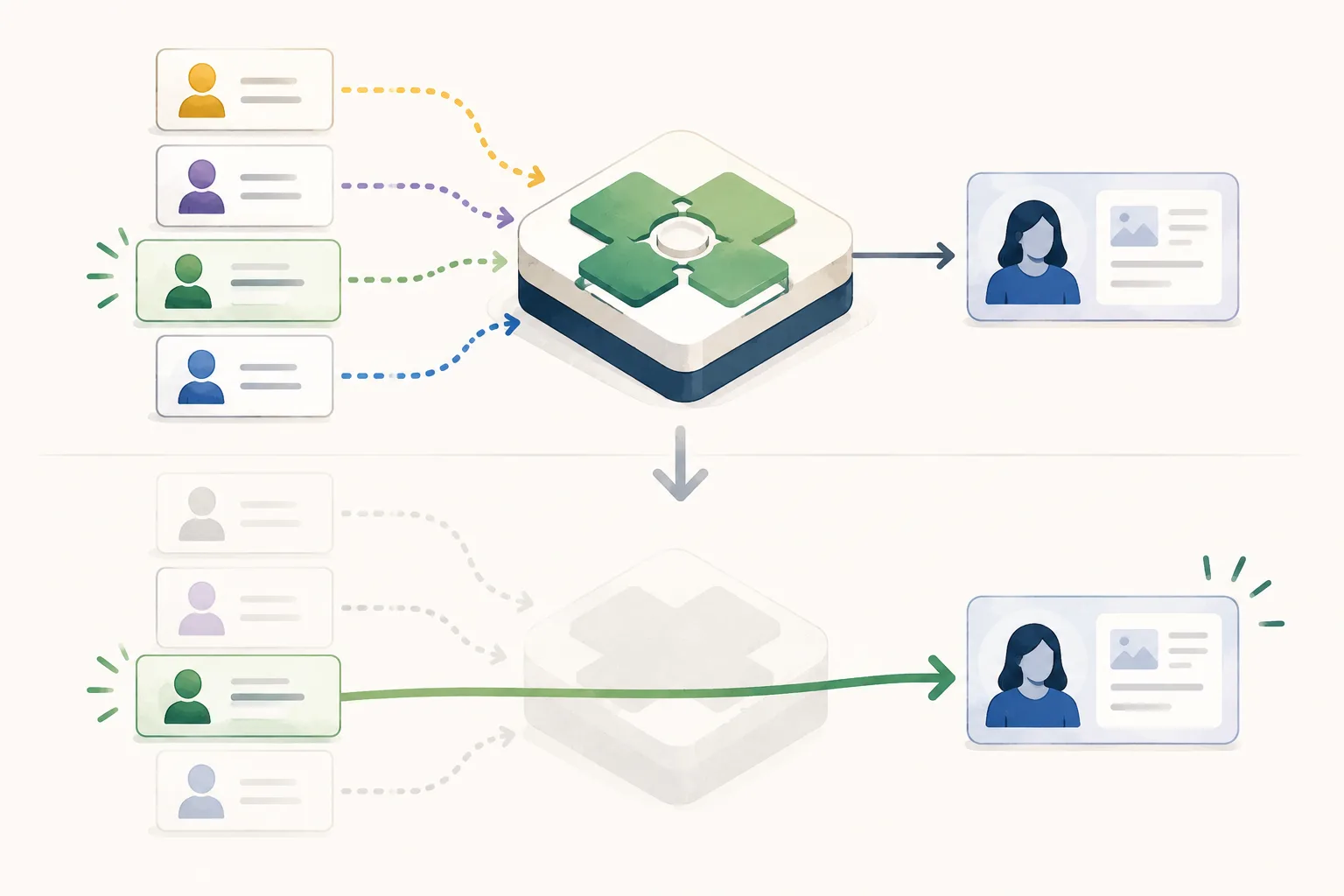
This is the fact that determines whether the tactic works for you, and it has nothing to do with expertise. A journalist posts a query with a deadline, often 24 to 48 hours away, sometimes shorter. They receive dozens to hundreds of responses. They read from the top until they have enough usable material, then stop. Responses arriving in the first hour or two are read. Responses arriving on day two frequently are not, regardless of quality. Being among the first handful of pitches in the inbox is reported to matter considerably more than pitch quality beyond a baseline. The practical consequence:
this tactic is available to people who can drop what they are doing and write 200 competent words within an hour of a query landing. That is a scheduling constraint, not a skill one, and it is why the link exchange comparison treats predictable-output tactics as the engine slot and this as a supplement. If your day does not permit that, you will send good responses into a void and conclude the platforms do not work. They work; you were not in a position to use them.

What a usable response looks like
Journalists are not evaluating your expertise in the abstract. They are looking for a quotable paragraph they can drop into a piece with minimal editing.
- Answer the question asked. Not an adjacent question you would rather answer
- Lead with the quote. First two sentences should be usable verbatim. Credentials go at the bottom
- Say something specific. A number, a mechanism, a concrete example. Generic advice is what everyone else sent
- Take a position. “It depends” is unquotable. Journalists need someone willing to state something
- Keep it to 150–250 words. Longer gets skimmed and discarded
- Include a one-line bio with your name, title, company, and URL — pre-formatted so they can copy it
- No attachments, no pitch, no follow-up. Following up on a journalist query is a reliable way to be excluded permanently
The strongest responses contain something the journalist cannot get elsewhere. Proprietary data, an unusual case, or a counter-position to the obvious answer. If your response could have been written by anyone in your industry, it probably was, several dozen times.
The honest numbers
Published figures vary depending on who is selling what, but the shape is consistent and unflattering. One twelve-month test across seven platforms reported 143 brand mentions from over 1,000 pitches. Approval rates differed sharply by platform in that test — around 18 to 20% on Featured against roughly 6% on Qwoted — and approval is not the same as a placed link, since not every published quote carries one. Treat those as directional rather than as benchmarks. What they establish is the shape:
a large number of unanswered responses for a small number of very good outcomes. Most pitches receive no acknowledgement at all, because journalists rarely reply to say no. The time cost is the part to model. Monitoring queries, filtering for relevance, and writing genuinely specific responses runs 20 to 30 minutes per pitch. Across a month of consistent participation that is substantial, and the return is uncertain. Which produces a clear conclusion:
this belongs in your mix if you can delegate the monitoring, or if the links are valuable enough to justify the variance. It does not belong as a primary tactic for a small team, because the effort is continuous and the payoff is lumpy. The backlink strategies ranking places it alongside broken link building for exactly this reason.
The thing that makes the numbers work better than they look
Counting links understates the return, and this matters more now than it used to.
A quote without a link is not a failure. Publications sometimes name you without linking, and research through 2026 suggests unlinked brand mentions carry independent weight for visibility in AI-generated answers — with brand search volume emerging as a strong predictor of citation in several datasets. The do backlinks still matter analysis covers what the studies show.
Being quoted is an E-E-A-T signal. Named expertise in real publications supports the credibility of everything else you publish.
Journalists reuse sources. Being useful once frequently produces direct requests later, which bypass the platform and the competition entirely. This is the highest-value outcome and it is invisible in any first-pass calculation.
Syndication multiplies placements. A quote in a wire or syndicated piece can appear across many outlets from a single response.
Making it workable if you decide to run it
- Filter ruthlessly at the query stage. Answering queries outside your genuine expertise wastes the time that should go to the ones you can win
- Set up alerts rather than checking manually. Filters on the query emails, or platform notifications for your categories, so relevant requests surface immediately
- Keep a bio block ready. Name, title, company, one-line credential, URL. Copy-paste, never rewritten
- Maintain a data file. Statistics, findings, and examples from your own operations that you can reach for under time pressure. This is what turns a competent response into a quotable one
- Track queries answered against placements won. After thirty responses you will know whether this works for your situation. Most people quit at eight without data
- Delegate the monitoring if you possibly can. The scarce resource is attention within the response window, not writing ability
What to avoid
Generated responses at volume. Journalists have become sharply attuned to this and several platforms have tightened rules around it. A recognisably generic response does not simply fail — it can get you excluded.
Answering everything. Volume without relevance produces nothing and burns the time that would have won the queries you were qualified for.
Paying for early access before validating. Run the free tier for a month first. If you cannot respond within the window on the free tier, paying for earlier access does not fix the underlying scheduling problem.
Treating it as a link tactic only. The people who do best treat it as media relations that occasionally produces links, which changes what they write and how they follow up.
Who this actually suits
Worth being direct, because the tactic is recommended far more broadly than it should be.
It works well for individuals with genuine specialist expertise, companies holding proprietary data, anyone with flexible time during working hours, and businesses where a single national placement justifies weeks of effort.
It works poorly for teams without response-window availability, generalist businesses with nothing distinctive to say, anyone needing predictable output, and sites in niches journalists rarely cover. If you fall in the second group, that is not a failure of execution and no amount of technique fixes it.
What the second group needs is a tactic where output is proportional to input. Journalist requests fail for these teams because the return depends on someone else’s editorial decision, arriving in a window you cannot control, against competition you cannot see. Nothing about that is fixable from your side. Linkexchange is the opposite shape. You post what you want — target page, niche, minimum DR — and publishers meeting those criteria take the offer. No deadline, no window, no queue you might be forty-third in. The work happens once when you set the criteria, and it produces links on a schedule you can plan around rather than one you hope for. The links are not national press. That trade is real and worth stating: journalist requests produce better individual placements than anything a marketplace offers. What they do not produce is a rate you can forecast, which is what a small team actually needs from its main channel. Run journalist requests as the supplement if your situation supports it. Run something predictable as the engine either way. The internal linking tools are included free and are worth running regardless — orphan pages, weak pages, broken internal links and 404s, authority flow, and which of your commercial pages are receiving nothing. That work needs no window and nobody’s editorial decision, which makes it the one thing on this page nothing can block.