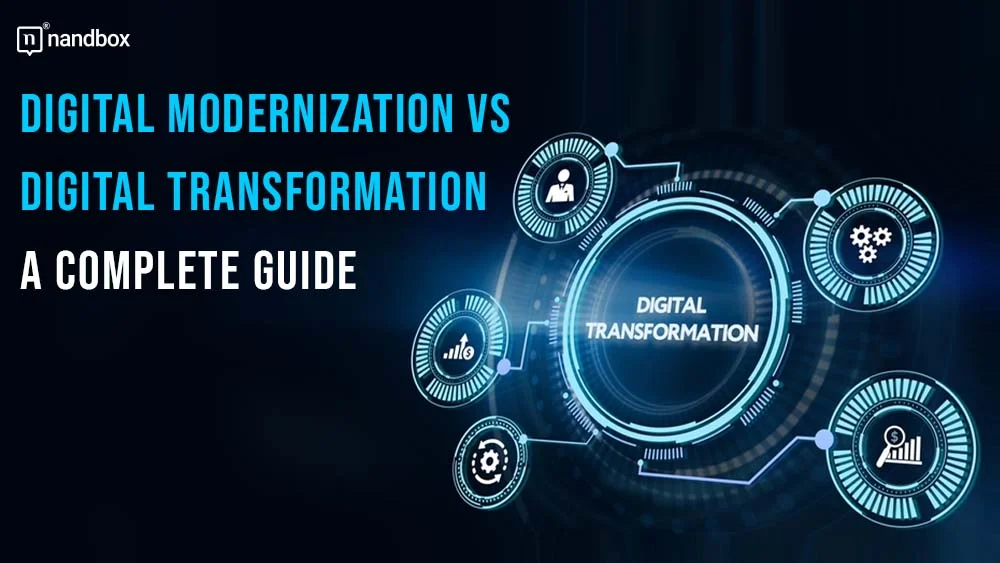
Sometimes concepts can be so similar that it gets confusing. This is done by either being very similar in spelling or having the same letters but different meanings, and so on. For instance, you can say forth and forth, and as much as the difference can be negligible, it is not; they have entirely different meanings. Let us shift the same concept and make it a tad technical. Now, what concepts in the English world might confuse people? Well, a lot; the list can go on forever. From this long list of very important yet confusing technical concepts, there are two that not everyone knows about. These two concepts are digital transformation and digital modernization. While they might only be very popular among some, they are very significant and valuable terms to know about. In this article, we will demonstrate both digital transformation and digital transformation, exploring everything about them—definitions, benefits, etc. We will also conduct a comprehensive comparison of digital modernization vs digital transformation.
What is Digital Transformation?
Let us start our digital modernization vs digital transformation comparison with digital transformation. It may appear like this term is complicated, and many hide a lot behind it. However, digital transformation is a very simple concept that is widely used in many organizations and industries at the moment. Digital transformation is the process of revamping all or most business operations to be present in a digital way. This process is not only limited to revamping existing business operations; it also includes making use of advanced technologies to create new ones that will help enhance the performance of the whole business or organization. As an example, a digital transformation can be an organization that decides to rely on artificial intelligence for customer service support. They installed an AI-powered language model for their customer support channel that could resolve all their customers’ queries.
This way, they took advantage of the capabilities of a novel technology to enhance one of their business operations and make it more valuable.
Let us ask a good question: Is digital transformation applicable to applications? The answer is yes. Applications are now fundamental parts of many businesses, and many operations occur through them. This means that any shift, revamping, or implementation of advanced technologies that occur in business operations will also occur in applications.
Benefits of Digital Transformation
Improved Efficiency
Increasing productivity in business settings is possible through process standardization and task automation. By freeing up workers’ time from monotonous repetitive tasks, digital tools and systems can help businesses focus on higher-value, strategic projects.
Enhanced Customer Experience
Businesses may learn more about their clients and provide better service thanks to digital transformation. Customer satisfaction rises when businesses use digital channels and tools to facilitate more personalized interactions, individualized service delivery, and quick information access.
Increased Agility and Adaptability
Digital transformation allows firms to quickly adjust to market shifts, client preferences, and technical improvements. This agility and adaptability are essential for continuing to thrive in today’s dynamic business climate.
Data Utilization and Analytics
Better choices might be made with the aid of data utilized by digital tools. This leads to more precise forecasts through the information gleaned from analytics on customer habits, market trends, and the performance of operations.
Innovation and New Revenue Streams
The adoption of digital technologies frequently sparks innovation. New products, services, or business models can be developed as a result, which can lead to more opportunities for making money.
Remote Work Capabilities
The implementation of digital tools makes it possible to work from a distant location. This not only offers freedom to employees but also frequently enables businesses to access a larger pool of qualified candidates from all over the world.
Competitive Advantage
Companies that successfully undergo digital transformation often find that it gives them an advantage in the marketplace. They can set themselves apart from competitors by improving their responsiveness, efficiency, and focus on customers.
Best Digital Transformation Tools
There are now many tools that make digital transformation easier for businesses. These tools usually offer the implementation of advanced technologies to apps and business operations. Without further ado, let us explore a few.
1. Cloud Services and Infrastructures
The first tool for digital transformation is cloud infrastructure and services. The major shift in strong data in the clouds is enormous and rising at an exceptional rate. In addition, this approach is one of the latest trends in the etch world and has proven to be very effective in enhancing business operations and application performance. That is why it makes a major appearance in the best tools of digital transformation.
2. CRM Tools
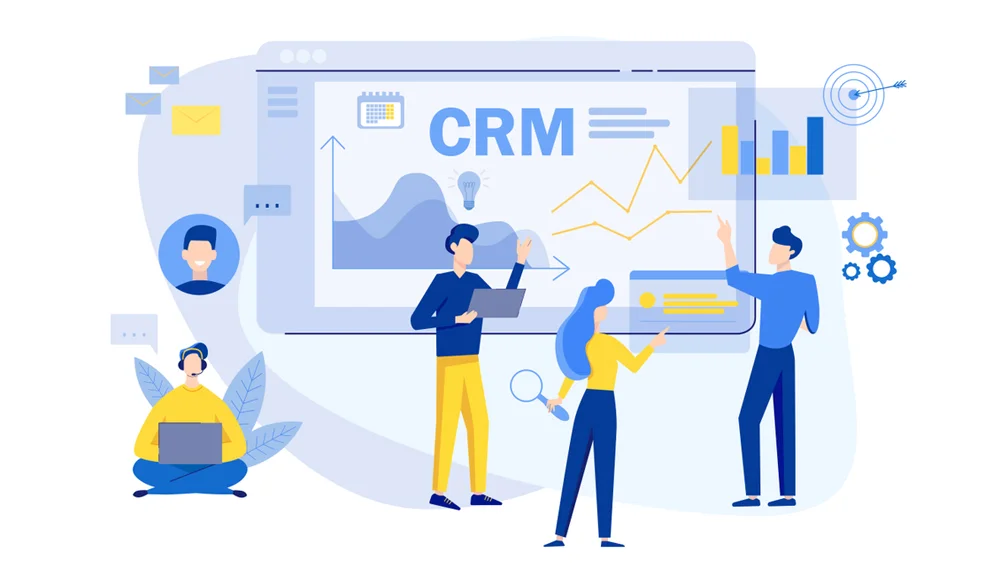
The second tool is CRM tools. CRM or customer relationship management, tools are invaluable for many businesses and applications, especially those that specialize in retail and m-commerce. These tools facilitate and strengthen communication between businesses and customers. This is done by providing features for monitoring, controlling, and improving all interactions
3. Automation Tools
The last and most-used tool used for digital transformation is automation. Automation is now a must-have technology for all businesses and applications. These automation tools help streamline all types of business operations that might be systematic. Automating such tasks or operations not only saves effort, time, and cost but also helps improve the efficiency and performance of any business or application.
What is Digital Modernization?
Next, we will explore the second term and approach, which is digital modernization. As a result of the ever-evolving industry and market of applications, developers always have the difficult task of having to adapt and update. It is a long process and probably a never-ending one. This has led to the emergence of the digital modernization approach that is now integral to any software or application development process. Digital modernization is the process of updating existing technologies to new ones that could perform better and be more efficient. These updates include software, operations, and systems that already existed and operated using certain technology. This is why continuous adoption is one of the main factors in digital modernization.
Digital modernization has many types, such as app modernization and IT modernization. Both types have the same core definition and goal of upgrading existing technologies, but the only difference is where they are applied. For instance, the term “app modernization” is used to describe the procedure of reviving formerly inaccessible applications and software so that they may run on modern hardware.
Benefits of Digital Modernization
Improved Scalability
Increasing scalability is a common benefit of modernizing digital systems. Cloud-based solutions, for example, offer adaptability in resource management by allowing for rapid scaling up and down.
Cost Reduction
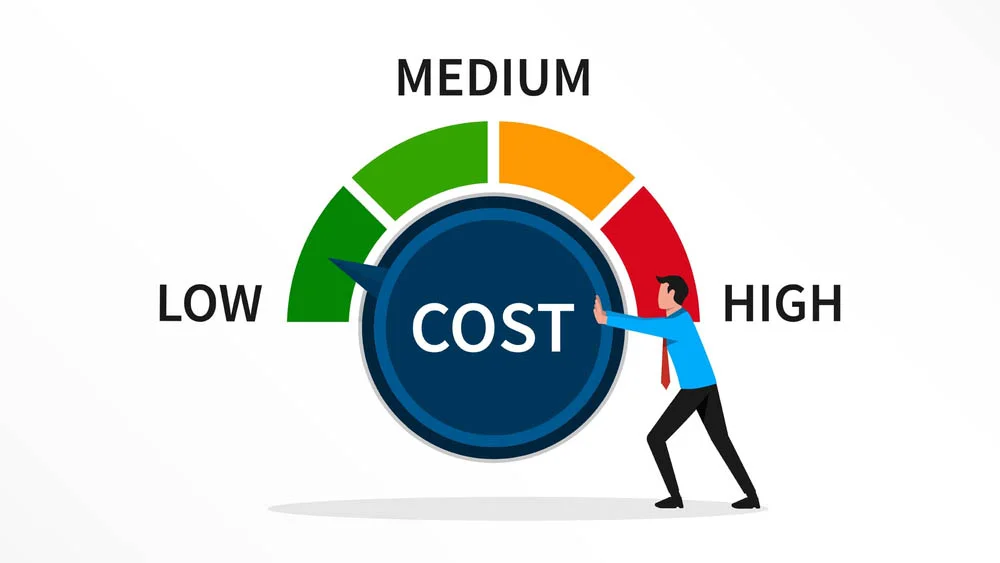
Although there may be a starting price for renovation, it often ends up saving money. Better resource utilization, cheaper operational costs, and fewer costs associated with maintaining older systems are all benefits of modernization that help businesses be more efficient.
Enhanced Security
Security flaws in legacy systems are more common than in newer ones. By incorporating highly advanced security features and protocols into previously outdated infrastructure, businesses can strengthen their defenses against data breaches and other forms of cybercrime.
Adherence to Compliance and Regulations
To better comply with industry rules and data protection legislation, it may be necessary to upgrade to current technologies. More recent systems typically include more recent compliance capabilities to help in adhering to changing standards.
Easier Integration and Collaboration
Modern systems are simpler to interface with other technologies and third-party programs, and they are more interoperable with those technologies. The result is improved internal and external communication and cooperation.
Preparation for Future Technologies
As new technology and trends emerge, organizations that have invested in modernization have benefited. By maintaining a flexible and open mindset, businesses may take advantage of emerging technological trends.
Environmental Sustainability
Technological progress and modernization can aid in environmental preservation. By abandoning on-premises hardware in favor of cloud-based services, cutting down on paper consumption, and improving energy efficiency, businesses can lessen their impact on the environment.
Business Continuity and Disaster Recovery
Improved disaster recovery capabilities are a common part of system upgrades and modernization. This enables businesses to continue running and operating even in the event of a cyberattack, hardware failure, or natural disaster.
Digital Modernization Phases
The process of digital modernization is broad and has many aspects and areas. That is why there are many phases of digital modernization, each covering a certain area and having a specific role. So, let us explore the most important phases of this significant process.
1. Clear Goals
The first phase, or, in other words, a key factor in digital modernization, is setting clear goals. Having and setting clear goals always leads to effective outcomes. In this phase, we start by analyzing the areas of the business that need to be updated. In other ways, the areas or operations are no longer functioning the way they should due to relying on outdated technologies. This helps you establish a clear goal about which modernization strategies, tools, and approaches you are going to take.
2. Simple Processes
After establishing the goals, you will be left with a bunch of processes and operations that need to be sorted out. Simple processes are also a key factor in digital modernization, which makes them an important phase. This phase includes working on all the software solutions, applications, and systems, not only to update them but also to find ways to make them more efficient and simple. It also aims to produce a more simple process for the whole business to follow when dealing with all applications and business elements.
3. Re-engineering and Re-forming
The last important phase we are going to mention in this section is reengineering or reforming. The last phases include planning and analyzing but never actual implementation. And this is what this phase came to accomplish. It includes finding ways and approaches to reform the old operations, software, and applications to fit and work with the new advanced technologies.
Comparing Digital vs Digital Modernization Transformation: Key Distinctive Factors
Scope and Objectives
Digital transformation involves a comprehensive change in the organization’s culture, processes, and business models to adapt to the evolving digital landscape. It often aims to reposition the entire business by leveraging digital technologies to create new business models, revenue streams, and customer experiences. Digital modernization focuses on upgrading or replacing existing systems, applications, and infrastructure to meet current technological standards. Its primary goal is to improve operational efficiency, reduce technical debt, and enhance the performance and capabilities of existing systems without necessarily altering the fundamental business model.
Timeframe
The timeframe for the two processes varies significantly, which is what makes it a key distinction. For digital transformation, it is more of a limitless timeframe that can run on a long-term basis. This is because digital transformation depends on continuous improvement and adoption of new technologies, as businesses need to always adjust to ongoing market changes and the digitalization movement. So, we can consider digital transformation as a never-ending process that goes on as long as the business is operating.
Now, on the other hand, the timeframe for digital modernization is more limited and restricted to certain processes. In digital modernization, businesses work on upgrading certain software solutions or applications to fit newer technology. Once these adjustments are over, the modernization process is over. It might require periodic upgrades but it isn’t as open-ended as digital transformation.
Impact
The last key distinction in this digital modernization vs digital transformation comparison is the impact on business. Digital transformation often results in a significant impact on the core business model, creating new revenue streams, products, and services while potentially disrupting existing markets and industries.
On the other hand, digital modernization primarily aims to optimize and enhance existing systems and processes without necessarily altering the core business model or introducing entirely new business strategies.
Wrapping Up
The difference between digital transformation and digital modernization is crucial in today’s ever-changing corporate environment. Although both digital transformation and digital modernization aim to improve operational efficiency, digital modernization is more concerned with updating preexisting infrastructure and procedures.
By understanding the distinctions between the two, businesses will be better equipped to develop strategies that integrate both to foster innovation, operational efficiency, and long-term growth. The use of innovative and advanced technology, the simplification of processes, and the introduction of flexible approaches are all crucial steps along the way.
It is critical to comprehend the many functions of digital transformation and modernization. Most significantly, merging these methods has an exceptional impact that helps businesses advance in the ever-changing digital landscape. In today’s highly connected world, it’s more important than ever to be open to new ideas, make use of innovative technologies, and focus on the needs of your users.